No products in the cart.
In modern training environments, progress is no longer defined by isolated decisions. The shift is clear. Athletes who achieve consistent results are those who build systems, not just phases.
A performance system connects training, recovery, and compound selection into a structure that can be repeated. Without that structure, progress becomes inconsistent, and results often reset between cycles.
Many athletes approach training in segments. They focus on a single phase, push intensity, and then adjust when results slow down. This reactive approach creates instability.
A system based approach works differently.
Instead of reacting, it aligns:
When these elements are connected, progression becomes more predictable.
This is why discussions around testosterone performance systems often highlight stability as a key factor in strength progression.
Recovery is often misunderstood as a passive phase. In structured systems, it becomes an active component that supports adaptation and consistency.
Without proper recovery alignment:
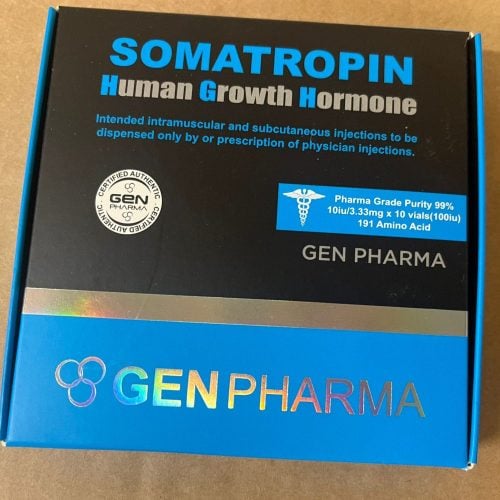
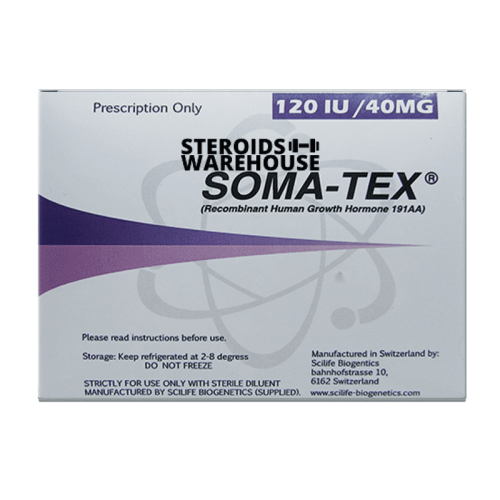
This is why many athletes explore HGH and peptide systems as part of broader recovery frameworks.
A strong system is built by understanding how different categories support different phases.
For example:
This type of category-level awareness allows athletes to move from random decisions to structured planning.
One of the most overlooked aspects of performance systems is what happens after a demanding phase.
Without structured recovery:
This is why structured discussions around post cycle therapy systems emphasise stability and long term consistency.
A key principle of structured systems is continuity.
Each phase should support the next:
When phases are disconnected, progress resets. When they are aligned, progress compounds.
Performance is no longer about pushing harder every time results slow down. It is about building a system that can sustain progress under increasing demand.
Athletes who focus on system alignment rather than isolated decisions are able to:
This approach defines modern performance development.
We're unable to send emails to Gmail addresses due to delivery restrictions.
If you have a Gmail account, please send us an email first so we can respond directly to your messages.