⚠️ Our only official website is onlinesteroidsuk.co. Beware of onlinesteroids.co.uk, onlineuksteroidshop.com and other imposters. Note, that these platforms are imposters and scammers. Also, we will NEVER call you to request payment.

Anabolic Steroids and Hormonal Recovery: Understanding Endocrine Suppression, Fertility and Long-Term Research
- Published On - October 18, 2026
- 4:08 AM
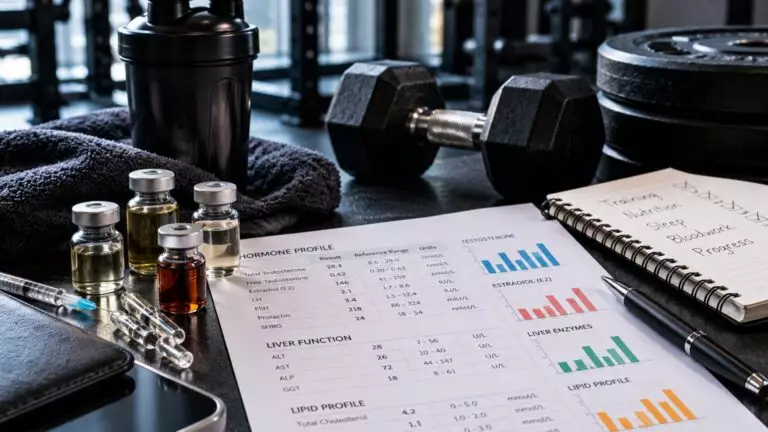
Hormones influence many of the processes associated with physical development, reproductive health, mood and normal physiological function. In performance-related discussions, testosterone receives particular attention because it is involved in muscle development, sexual function, bone health and several other biological processes. However, testosterone is only one part of a much larger hormonal system.
Anabolic-androgenic steroids are synthetic substances related to testosterone. Their effects extend beyond the muscles, influencing the body’s normal hormonal signalling and reproductive function. While discussions often focus on strength and physique changes, the consequences for endocrine health can be less visible and considerably more complicated.
One important distinction is the difference between the effects observed while a person is exposed to anabolic steroids and the body’s response after that exposure ends. Hormonal suppression can persist after discontinuation, and the duration and extent of recovery differ between individuals. Research also suggests that hormonal measurements and fertility outcomes do not necessarily return to their previous states at the same pace.
Understanding this subject requires more than looking at a single testosterone result or assuming that the body returns to its previous condition within a fixed period. Hormonal regulation involves several organs, feedback mechanisms and reproductive processes, each of which can respond differently.
This article examines the science behind endocrine suppression, hormonal recovery, fertility and individual variability, while distinguishing established findings from areas where further research is needed.
What Is the Endocrine System?
The endocrine system consists of glands and tissues that produce hormones, which act as chemical messengers throughout the body. These signals influence functions such as metabolism, growth, reproduction, stress responses and the regulation of other hormones.
The reproductive endocrine system is especially relevant to anabolic steroid research. In men, communication between the hypothalamus in the brain, the pituitary gland and the testes helps regulate testosterone production and sperm development.
The hypothalamus releases gonadotropin-releasing hormone, commonly called GnRH. This signals the pituitary gland to release luteinising hormone (LH) and follicle-stimulating hormone (FSH). LH supports testosterone production by specialised cells in the testes, while FSH plays an important role in sperm production alongside testosterone within the testes.
These processes operate through feedback mechanisms. Hormonal signals influence the brain and pituitary gland, helping regulate further hormone release.
This system is not a simple on-and-off switch. Hormone concentrations change naturally, and the relationship between circulating testosterone and reproductive function is more complicated than a single blood measurement can show.
Understanding this background helps explain why externally introduced androgens can affect the body’s own hormone production even when the measured concentration of testosterone or related androgens is elevated.
How Anabolic Steroids Can Suppress Natural Hormone Production
The body uses feedback mechanisms to regulate hormone levels. When it detects increased androgen activity from an external source, the hypothalamus and pituitary gland can reduce the signals that normally stimulate the testes.
Reduced LH signalling can decrease natural testosterone production. Reduced FSH signalling, alongside changes in the testicular environment, can impair sperm production.
This process is commonly described as suppression of the hypothalamic-pituitary-gonadal axis, or HPG axis. It is a central mechanism discussed in clinical research on anabolic-androgenic steroid exposure and reproductive health.
The important point is that an external androgen source and the body’s own testosterone production are not the same thing. A person may have substantial androgen exposure while natural reproductive hormone signalling is suppressed.
This can create confusion when people interpret testosterone-related claims online. A statement that a substance is associated with androgenic effects does not establish that the body’s endogenous hormonal system is functioning normally.
The same distinction applies to symptoms. Hormonal suppression may affect reproductive function, libido, mood and other aspects of wellbeing, but these outcomes are not identical in every individual.
Research therefore needs to distinguish between external hormone exposure, endogenous hormone production and the wider physiological effects associated with each.
Testosterone Is Only One Part of Hormonal Recovery
Testosterone is an important measurement, but it cannot describe every aspect of endocrine or reproductive health.
LH and FSH provide information about signals involved in testicular function. Other clinical measurements may be relevant depending on symptoms, medical history and the specific question being investigated.
Even when testosterone returns to a laboratory reference range, this does not automatically establish that every component of reproductive function has returned to its previous state.
Conversely, one low testosterone result does not establish the precise cause of the finding or prove that anabolic steroid exposure is the only explanation. Results need to be considered alongside symptoms, timing, medical history and other relevant clinical information.
Hormone concentrations can also vary with time of day, health status, medications and the testing method. A result should not be interpreted as though it were a permanent description of an individual’s physiology.
The broader lesson is that endocrine recovery is not represented by a single number. It involves the interaction of several hormones, their signalling pathways and the functions they regulate.
This distinction is particularly important when reading online accounts that describe recovery solely in terms of testosterone. Such accounts may omit reproductive measurements, symptoms or other information needed to understand the full picture.
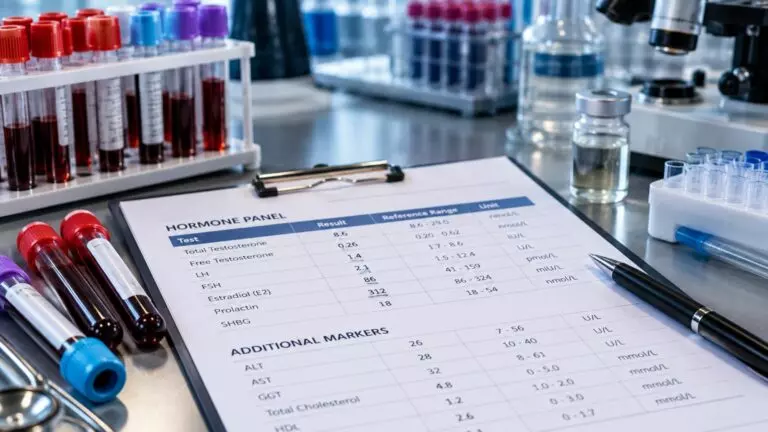
What Does Hormonal Recovery Actually Mean?
Hormonal recovery refers to the return of disrupted endocrine function toward an individual’s normal physiological state. In research involving anabolic steroid exposure, this can include changes in LH, FSH and testosterone, alongside physical symptoms and reproductive outcomes.
However, recovery is not one uniform event.
A laboratory measurement may improve before other aspects of health do. Symptoms can persist even when selected measurements appear reassuring, while some physical changes may take longer to resolve.
A scoping review published in 2023 examined physical, psychological and biochemical recovery after anabolic-steroid-induced hypogonadism. It found that recovery patterns varied considerably, with differences in hormonal measurements, reproductive function and physical outcomes. The authors also highlighted limitations in the available evidence, particularly the shortage of prospective studies capable of describing recovery reliably across different patterns of exposure.
This uncertainty matters because broad statements such as “hormones always return to normal” or “recovery always takes a specific number of months” oversimplify the evidence.
Some individuals experience substantial recovery, while others may have prolonged symptoms or incomplete restoration of particular functions. The available research does not support a guaranteed timeline for every person.
Hormonal recovery should therefore be understood as a clinical process with several possible outcomes, rather than a fixed countdown that applies equally to everyone.
Why Recovery Differs Between Individuals
Individual variability is one of the central challenges in research on anabolic steroid withdrawal and endocrine function.
Age, previous reproductive health, duration of exposure, the substances involved, underlying medical conditions and other individual characteristics may influence outcomes. Research has also examined associations between more prolonged exposure and slower or less complete recovery in some measures.
These factors do not allow an individual outcome to be predicted precisely. They help explain why results from one group cannot automatically be applied to every person.
Two individuals may report similar exposure histories yet experience different symptoms and laboratory findings. Their baseline physiology may have differed before exposure, and other health or medication-related factors may influence their recovery.
Research methods introduce additional uncertainty. Some studies follow participants over time, while others compare groups at a single point. Sample sizes may be limited, exposure histories may rely on self-reporting, and the substances used may vary substantially between participants.
These limitations make it difficult to identify a single recovery pattern that represents all users.
A balanced interpretation recognises that individual differences are real while avoiding the assumption that a particular result is inevitable for any one person.

Fertility and Sperm Production
Fertility is one of the most important subjects in the discussion of hormonal suppression because sperm production depends on a functioning reproductive endocrine system.
Testosterone levels measured in the bloodstream do not provide a complete picture of sperm production. The testes require an appropriate internal hormonal environment, supported by LH, FSH and other local physiological processes.
When anabolic-androgenic steroids suppress reproductive signalling, sperm production may decrease. The extent of the effect varies, and changes in sperm concentration, motility and other semen parameters do not necessarily follow the same pattern.
The NHS identifies long-term anabolic steroid misuse as a possible cause of reduced sperm count and sperm mobility.
Research also suggests that reproductive recovery may take longer than the recovery of some circulating hormone measurements. A systematic review published in 2024 examined recovery of spermatogenesis following anabolic steroid abuse and highlighted that normalisation of sperm production may take more than a year in some cases.
This distinction matters because fertility cannot be established from testosterone alone. Someone may have a testosterone result that appears reassuring while sperm production remains impaired.
For people concerned about fertility, appropriate clinical assessment is more informative than relying on appearance, libido or a single hormone measurement. A healthcare professional can determine which investigations are relevant to the individual’s circumstances.
Testosterone, Libido and Sexual Function
Testosterone contributes to sexual function, but libido and erectile function are influenced by several interacting factors.
Hormonal changes can be relevant, yet sleep, psychological wellbeing, relationship circumstances, cardiovascular health, other medications and underlying medical conditions may also affect sexual function.
During and after anabolic steroid exposure, individuals may report changes in libido or erectile function. These experiences should not automatically be attributed to one hormone or interpreted as proof that a particular part of the endocrine system has recovered.
Research on former users has found variation in reproductive outcomes and the time required for different measures to change. Reviews have also identified gaps in the evidence on longer-term psychological and sexual outcomes.
This means that symptoms require context. A change in libido does not independently establish a testosterone concentration, and a testosterone result cannot fully explain every aspect of sexual wellbeing.
Persistent or concerning symptoms warrant professional assessment, particularly when they occur alongside a history of anabolic steroid exposure. A broader evaluation can help distinguish endocrine factors from other possible causes.
Psychological Wellbeing During Hormonal Changes
Hormonal changes can coincide with changes in mood, motivation, energy and general wellbeing. However, the relationship between anabolic steroid exposure, withdrawal and psychological symptoms is complex.
Some individuals report low mood, anxiety, fatigue or reduced motivation after stopping use. These experiences can be distressing, but they are not specific to endocrine suppression and should not automatically be attributed to one biological mechanism.
The 2023 scoping review of anabolic-steroid-induced hypogonadism found that evidence concerning psychological recovery was limited and sometimes conflicting. This highlights the difficulty of drawing firm conclusions about the duration or course of psychological symptoms across different individuals.
Psychological wellbeing is also influenced by circumstances beyond hormone levels. Changes in training performance, body image, social relationships, sleep and expectations can all affect how a person experiences the period after stopping anabolic steroids.
For this reason, mental health should not be treated as a minor detail in discussions of recovery. Persistent low mood, severe anxiety or thoughts of self-harm deserve prompt professional support, regardless of whether a hormonal explanation has been established.
A balanced approach recognises that physical and psychological experiences may overlap without assuming that one measurement explains everything.
The Difference Between Blood Results and Reproductive Function
Blood tests can provide useful information about endocrine signalling, but reproductive function involves more than circulating hormone concentrations.
LH, FSH and testosterone can help clinicians assess aspects of the reproductive endocrine system. Semen analysis answers a different question by examining characteristics of sperm and the seminal fluid.
These assessments are not interchangeable.
A hormone panel may reveal findings that require further investigation, but it cannot directly establish sperm concentration or motility. Similarly, semen analysis does not provide a complete account of every hormonal or general health issue.
The appropriate evaluation depends on the clinical question. Someone concerned about low testosterone may require a different assessment from someone whose main concern is fertility, even when the two issues overlap.
This is one reason online interpretations of isolated results can be misleading. A screenshot of a laboratory report rarely includes enough information to establish an individual’s overall reproductive status.
The same principle applies to product claims. A description of an injectable product does not establish its effects on fertility, endogenous hormone production or recovery. Those questions require appropriate clinical evidence rather than assumptions based on a product name.
Injectable Formulations and Hormonal Research
Injectable anabolic-androgenic steroids are not one uniform category. Different compounds and formulations have different chemical characteristics and pharmacological properties, so findings about one substance should not automatically be applied to another.
For example, the OSUK injectable steroids category groups products within a broader product category. That classification is useful for site navigation, but a category page is not evidence that every product has the same effects or risk profile.
Individual product pages may describe formulations such as Quantum Pharma Primobolan 100 mg or Aburaihan testosterone enanthate. These are examples of distinct product listings, not evidence that either product restores natural hormone production or protects fertility.
This distinction is essential. A product’s name, formulation or position within a category cannot establish its clinical effects for a particular individual.
Hormonal research must instead consider the substance involved, the outcome being measured, the characteristics of the participants and the quality of the available evidence. Findings should remain specific to the circumstances in which they were observed.
Product Authenticity and the Limits of Commercial Claims
Hormonal recovery is a medical and physiological question, whereas product authenticity concerns whether a product is genuine and whether claims about its contents can be substantiated. These subjects may overlap in discussions of injectable products, but they should not be confused.
Packaging, branding and a professional-looking product page do not independently establish manufacturing quality, contents or clinical effects.
Similarly, evidence that a product contains a particular ingredient would not establish that it produces a predictable hormonal outcome or that it is safe for an individual.
For additional context, this discussion of injectable steroid product authenticity considers why product identity and quality claims deserve careful evaluation.
The broader principle is that authenticity, pharmacological effects and health outcomes are separate questions. Each requires its own supporting evidence.
In particular, a claim about product quality should not be interpreted as a guarantee about endocrine recovery, fertility or long-term health.
Why Self-Directed Recovery Claims Need Caution
Online discussions frequently present hormonal recovery as a predictable process that can be managed using a standard formula. Such claims may sound convincing because they offer a clear explanation for a complicated physiological problem.
However, the clinical evidence does not support a single approach that guarantees recovery for everyone.
The causes of abnormal hormone results vary, and the significance of a finding depends on the individual’s history and clinical circumstances. Medicines that affect reproductive hormones can also have their own risks and may not be appropriate for every person.
Research into treatment after anabolic steroid exposure remains limited in important areas. Clinical literature has identified uncertainty around the best ways to manage withdrawal-related symptoms and infertility, particularly for people with more prolonged exposure.
For that reason, this article does not provide self-treatment protocols, medication combinations or recovery schedules. Those decisions require an individual clinical assessment rather than a general online template.
Anyone experiencing persistent symptoms after stopping anabolic steroids should discuss their history and concerns with a qualified healthcare professional. This is particularly important where fertility is a concern or symptoms significantly affect daily life.
What Current Research Can and Cannot Tell Us
Research has established that anabolic-androgenic steroids can suppress reproductive hormone signalling and impair sperm production. There is also evidence that many physiological measures improve after discontinuation, although the extent and timing of recovery vary.
What remains less certain is the precise course of recovery for every combination of exposure, individual characteristics and health circumstances.
Many studies involve observational data, limited participant numbers or differing definitions of recovery. Researchers may measure hormone concentrations, semen parameters, symptoms or other outcomes, meaning that findings cannot always be compared directly.
Long-term evidence is particularly important. A study that records changes over a short period may not establish whether every reproductive or psychological outcome has returned to baseline.
Researchers also need to distinguish between a result falling within a reference range and a complete return to an individual’s previous physiological state. These are related concepts, but they are not necessarily identical.
Future research with better-defined participant groups, longer follow-up and consistent outcome measurements could help clarify these questions.
Until then, the most responsible interpretation is neither that recovery is impossible nor that it is guaranteed. The evidence supports variability, and uncertainty should be acknowledged rather than concealed.
Final Thoughts
Hormonal recovery after anabolic steroid exposure involves more than the return of one testosterone measurement to a reference range. It encompasses the interaction between the brain, pituitary gland, testes and other physiological systems, as well as the reproductive and psychological outcomes that may accompany hormonal changes.
Research indicates that anabolic-androgenic steroids can suppress natural reproductive hormone signalling and impair sperm production. Recovery occurs in many cases, but the pace and extent differ between individuals, and fertility outcomes may not follow the same timeline as circulating hormone measurements.
These distinctions matter because visible physique changes, reported energy levels and isolated laboratory results cannot establish that the entire endocrine system has returned to its previous state.
Product information must also be interpreted carefully. A category listing, formulation description or authenticity claim cannot establish an individual’s hormonal response or guarantee a particular health outcome.
The broader lesson is that endocrine recovery is a complex clinical subject. Scientific research can explain established mechanisms and describe patterns observed in groups, but it cannot promise a precise outcome for every individual.
-> A more accurate understanding of hormonal recovery begins by recognising that testosterone, reproductive function, fertility and overall health are connected, but they are not the same measurement.